


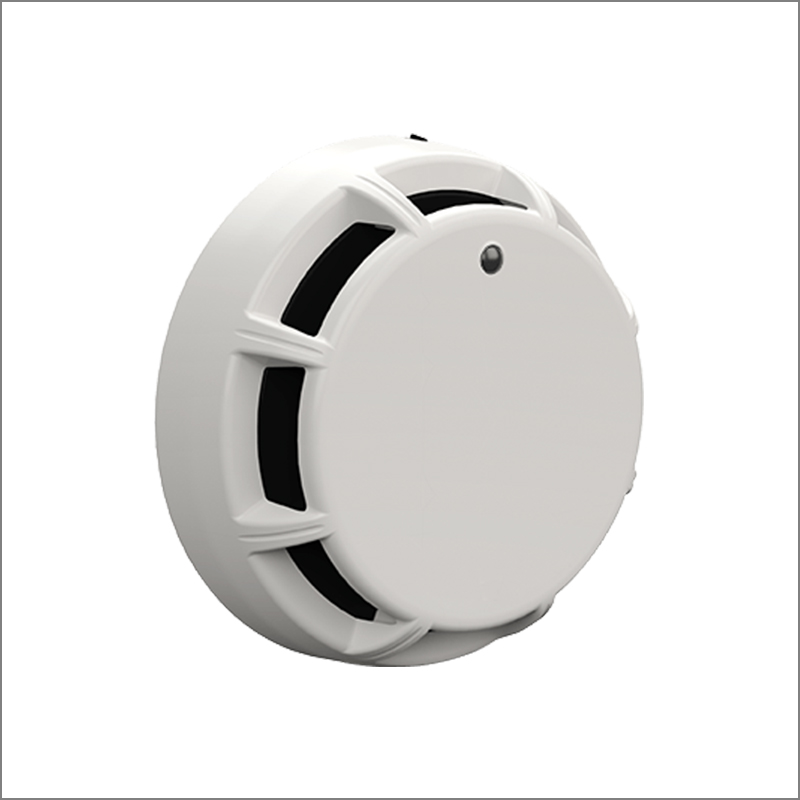


Description
The Photoelectric Smoke Sensor and the Carbon Monoxide (CO)
sensor are both listed Analog Addressable sensors compatible with fire
alarm control panels that utilize the Potter Addressable Device (PAD)
protocol.
The CO sensing portion utilizes a proven electrochemical sensor for
accurate detection of CO gas for life safety applications.
The photoelectric sensor complies with UL 268 7th edition enhanced
smoke sensitivity tests. It has a wide sensitivity range of 1.0 to 3.7%
per foot, and features drift compensation with built in dirty detector
warning.
The sensor and the control panel communicate over a proven and robust
digital communication path and the system analyzes the information
at the particular device. The total polling speed is less than five
(5) seconds, well under the UL requirements.
The sensor is compatible with any of the PAD sensor bases and simply
twists on. The PAD200-PCD is addressed using DIP switches in the
rear of the sensor and can be easily programmed in the field without
special tools.
Setting the Address
Each addressable device on the SLC loop must have a unique address
from 1 to 127 to function properly. The address is set using DIP
switches.
Before connecting a device to the SLC loop, take the following
precautions to prevent potential damage to SLC or device. Verify the
following:
1. Power to the device is removed
2. Field wiring is correctly installed.
3. Field wiring has no open or short circuits.
Technical Specifications

Air Velocity Ratings
The PAD200-PCD has an Open Area of Protection air velocity rating of 0 to 300 feet per minute.
The system has a maximum of 30 LEDs that can be turned on simultaneously. If the system already has 30 LEDs on, the PAD200-PCD will operate
even though the LED may not illuminate.
Operation
The PAD200-PCD is an analog addressable sensor that uses one address on the Signaling Line Circuit (SLC) of a compatible fire alarm control panel.
The unit communicates with the control panel as it is polled. The LEDs flash every time the unit is polled and they will flash at a fast rate if the unit is
in an active status. The polling LED can be turned off if desired for less conspicuous operation.
The PAD200-PCD with the PAD100-4DB or PAD100-6DB has a low profile of less than two (2) inches to blend into the surrounding environment. The
sensor includes an insect screen to prevent foreign objects from reaching the chamber and the can be cleaned to restore operation of a dirty detector.
Sensor Sensitivity
The PAD200-PCD and the compatible control panel work in tandem to keep the sensitivity consistent. As the sensor is installed over time, the sensor
compensates for the dirt in the unit until it is out of range. At that time, the panel will indicate a dirty sensor. The sensor will then have to be cleaned
or replaced.
The PAD200-PCD can be programmed to provide a maintenance alert prior to reaching the dirty sensor level which will allow for intervention prior to
the sensor going into trouble. This allows for sensor replacement or cleaning prior to a nuisance trouble occurs.
NOTE: As required by NFPA, do not install the sensors until all construction is complete and the work area has been thoroughly cleaned. If the sensors
have been installed in a construction environment, they should be cleaned or replaced before the system is placed into service.
Spacing
The PAD200-PCD is UL listed with a recommended maximum spacing of 30 feet. Refer to NFPA 72 for specific information regarding detector
spacing, placement and special applications.
Compatible Bases
All bases will mount on a single gang, double gang, octagon, 4” square or mud ring electrical box.

Ordering Information